Roman Inflation Parallels: Lessons for America’s Future
Roman Inflation Parallels: Lessons from the Fall of an Empire
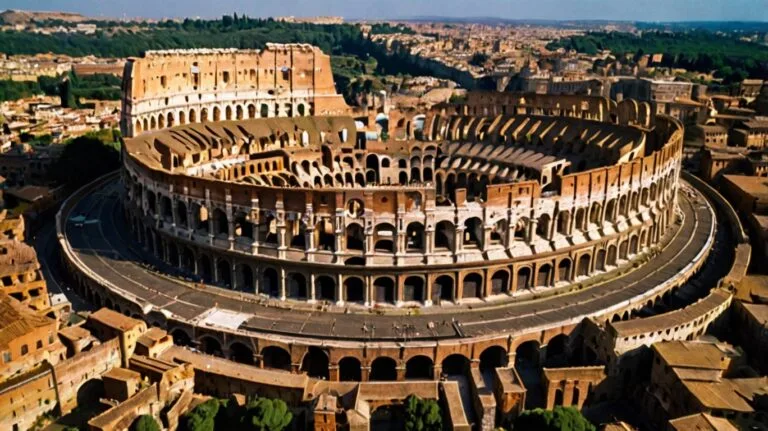
Roman Inflation Parallels offer one of the most powerful historical warnings about how economic instability can weaken even the greatest superpower. Nearly 2,000 years ago, the mighty empire centered in Rome controlled vast territories, commanded unmatched military strength, and dominated global trade. Yet despite its power, economic collapse slowly eroded its foundations.
A growing number of economists, historians, and policy specialists today draw comparisons between the economic hardships of ancient Rome and the contemporary United States. History rarely repeats itself precisely, but it frequently exhibits identifiable trends, and inflation is among the most hazardous.
Comprehending these parallels to Roman inflation demonstrates how economic deterioration starts subtly and eventually transforms entire societies.
How Inflation Began to Destroy Rome
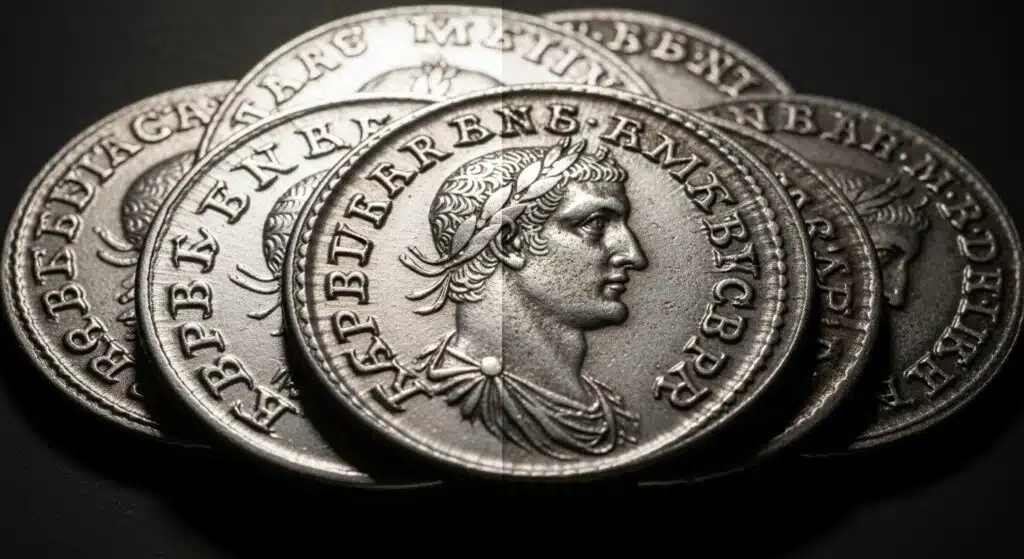
In its early centuries, Rome maintained a stable and reliable currency. The silver denarius became one of the most trusted coins in the ancient world. Trade flourished, military expansion brought wealth, and economic confidence remained strong.
But by the 3rd century CE, Rome faced a growing crisis.
Roman Inflation Parallels
Military spending increased dramatically. The empire needed more soldiers to defend its borders from constant invasions. At the same time, political instability led to frequent leadership changes, with emperors needing to pay troops to secure loyalty.
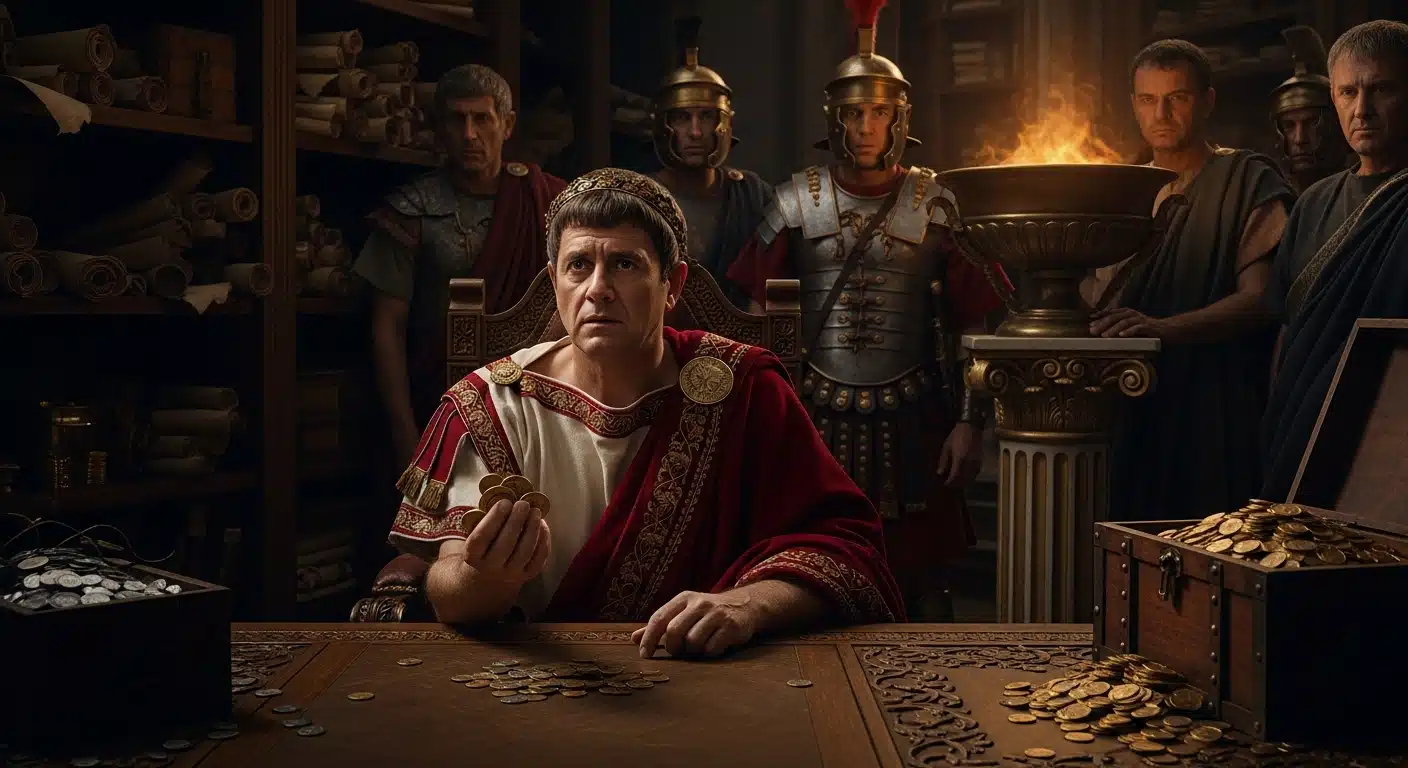
Instead of raising taxes immediately, Roman leaders chose an easier solution: they reduced the silver content in their coins.
The government was able to create more coins with less valuable metal because to this process, which is known as currency debasement.
The effects were mild at first.
However, as time went on, individuals were aware that their money was becoming less valuable.
Prices started to increase.
Confidence started to wane.
The inflation had started.
The Dangerous Cycle of Currency Debasement
The amount of silver in Roman coins had decreased from over 90% to less than 5% by the time of Diocletian in the late third century CE. This sharp decline shattered confidence in the currency.
In order to make up for the lower currency, merchants started to demand greater prices. In order to keep up with growing expenses, workers sought higher wages.
This created a cycle:
- Government printed more currency
- Currency lost value
- Prices increased
- Government printed even more currency
Eventually, inflation spiraled out of control.
Diocletian attempted to fix the problem by issuing the famous Edict on Maximum Prices in 301 CE, which imposed strict price controls across the empire.
It failed.
Price controls could not restore trust in a broken currency.
This lesson remains critically relevant today.
Current Risks of Monetary Expansion and Inflation
Silver coins are no longer used in modern economies, but the pressures they endure are similar. Governments no longer physically reduce precious metals to make money; instead, they do so digitally.
Monetary policy is controlled by organizations such as the Federal Reserve in order to control inflation and economic expansion. The Federal Reserve significantly expanded the money supply during economic crises, such the COVID-19 epidemic and the 2008 financial crisis, in order to avert economic collapse.
These steps raised the likelihood of long-term inflation even though they avoided an imminent catastrophe.
Between 2020 and 2023, inflation in the United States reached its highest levels in over 40 years.
This mirrors Rome’s early inflation stages, where emergency measures slowly created systemic instability.
The key danger lies not in inflation itself but in losing control over it.
Wealth Inequality: A Shared Warning Sign
The parallels of Roman inflation go beyond money. One of the main causes of Rome’s fall was wealth disparity.
Wealthy elites defended themselves by making investments in real estate, gold, and other valuables as inflation increased. However, currency was essential to the livelihood of common people. Their purchasing power plummeted as money lost value.
As a result, the wealth disparity widened.Social order deteriorated.Unrest in politics grew.
Similar trends are still seen by contemporary economists. Over the past few decades, wealth concentration has grown dramatically, with asset owners profiting from inflation while wage people find it difficult to keep up.
Similar to what happened in Rome, this dynamic erodes societal cohesiveness.
Government Debt and Military Spending
Rome’s economic collapse was also driven by unsustainable government spending, especially on military defense.
Maintaining massive armies across vast territories became increasingly expensive. As tax revenues declined due to economic contraction, the government relied more heavily on currency debasement.
This created long-term structural weakness.
Today, the United States maintains the world’s largest military budget and carries significant national debt. While modern financial systems are more sophisticated, the underlying risk remains the same.
When government spending consistently exceeds sustainable revenue, economic pressure builds.
Loss of Trust: The Last Phase of Financial Disintegration
The psychological stage of inflation is the most hazardous.
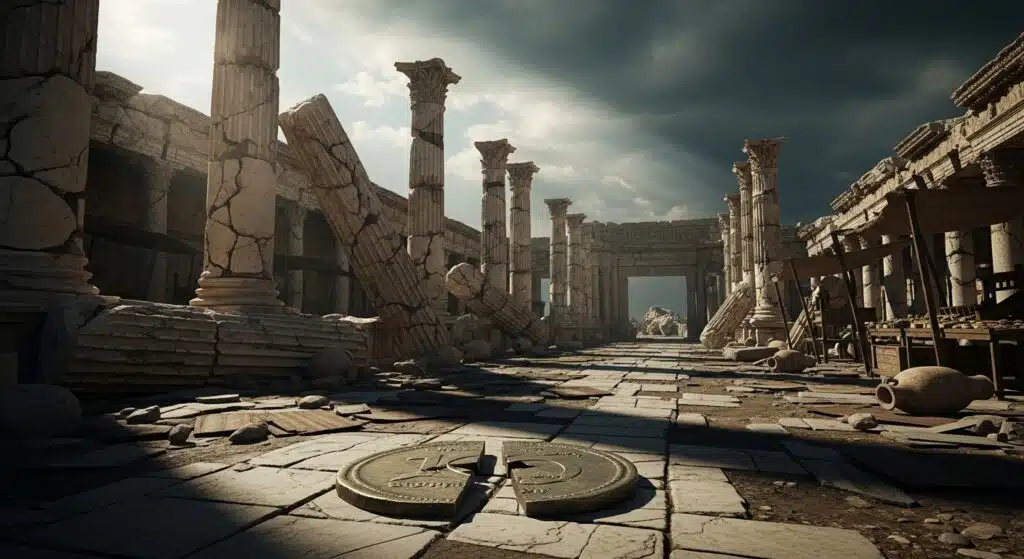
The economy starts to fall apart when people lose faith in their currency.
People switched back to barter systems and abandoned official coinage in late Roman times. Instead of pennies, soldiers insisted on being paid in gold. Efficiency in the economy collapsed.
Trade slowed.
Economic activity decreased.From within, the empire weakened.
Rome became increasingly susceptible to outside assaults as a result of this internal deterioration.
Rome was not immediately destroyed by economic collapse, but it was unavoidable.Rome learned this lesson too late.
Why These Roman Inflation Parallels Matter Today
The purpose of studying Roman Inflation Parallels is not to predict collapse, but to recognize warning signs early.
Rome did not fall because of a single event.
It fell because of accumulated economic decisions that weakened its foundation over generations.
The key lessons include:
- Currency stability is essential for long-term economic health
- Excessive money creation can undermine trust
- Wealth inequality destabilizes societies
- Sustainable government spending is critical
- Economic confidence determines national strength
These lessons remain timeless.
These are timeless lessons.
Dramatic occurrences are rarely the catalyst for economic collapse. It starts out slowly, with little choices that add up over time.
The collapse of Rome was not inevitable.
Mismanagement of the economy was the cause.
History warns, but it does not repeat itself & those cautions are still evident today.
Discover a Lost Pharaoh’s Tomb
A major archaeological breakthrough has also revealed the lost tomb of Thutmose II, Egypt’s first royal burial discovery since Tutankhamun.
Read more:
https://antiqueechoes.com/long-lost-tomb-of-king-thutmose-ii-thutmose-ii-tomb
Click Below To Watch Full Story
https://www.youtube.com/@EchoesofAntiquity-egypt/videos