Marsmanda Uzbekistan: The Lost Iron City of the Silk Road
Explore Marsmanda Uzbekistan, a vast high-altitude Silk Road metropolis of ironworking, uncovered by Lidar and archaeology in rugged Uzbek mountains.
Marsmanda Uzbekistan: The Lost Iron City of the Silk Road Metropolis
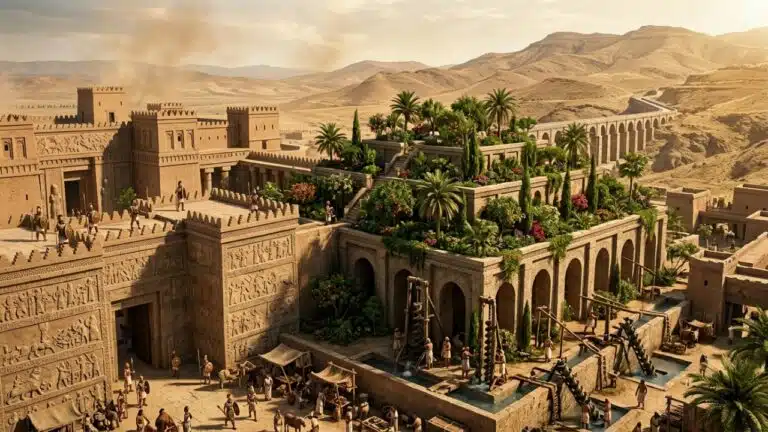
Marsmanda Uzbekistan refers to one of the most remarkable archaeological recoveries of recent years a sprawling high-altitude Silk Road metropolis hidden in the mountains of southeastern Uzbekistan that rewrites what scholars thought they knew about medieval trade and industry. Long described in tenth-century Arabic sources as a cold, iron-producing city perched where “rivers froze,” this long-lost urban complex seems to be emerging from beneath grass and time itself thanks to modern archaeological techniques.
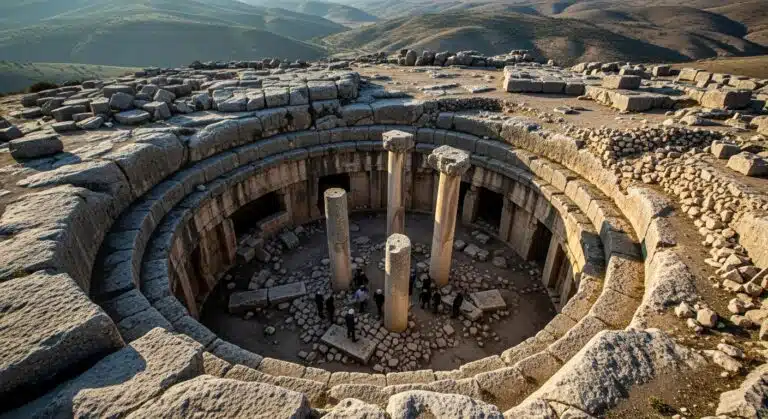
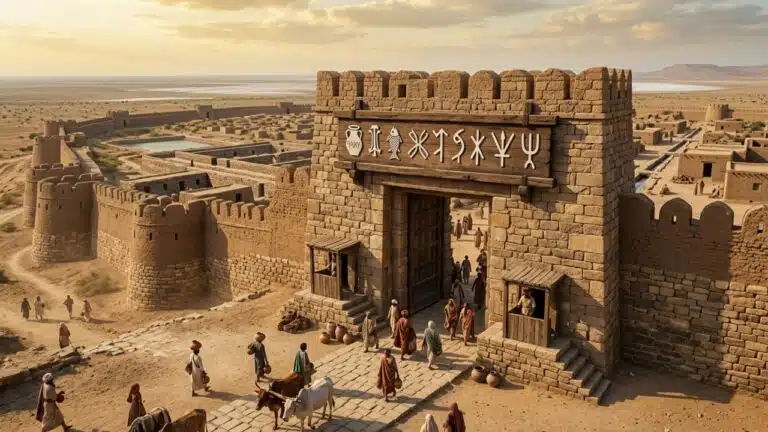
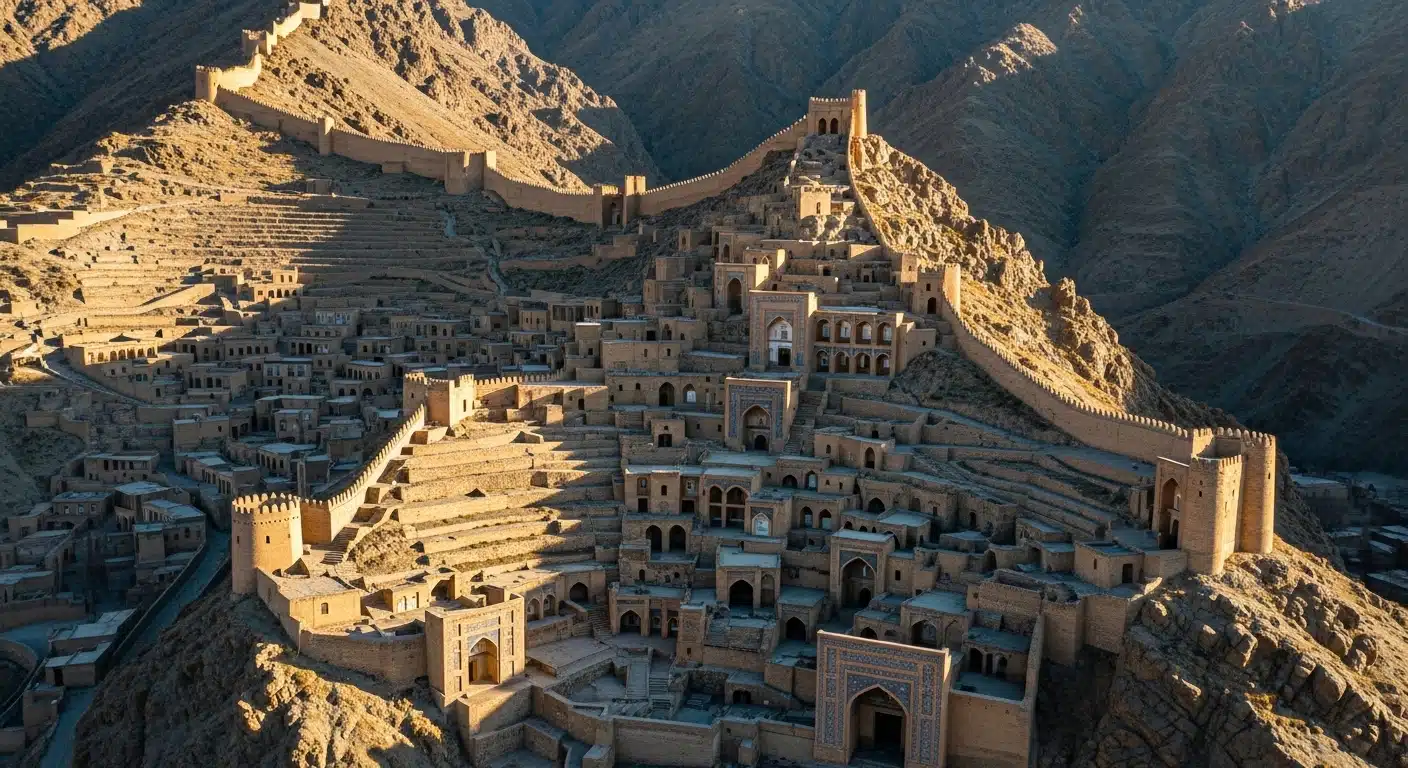
The expansive site, now known as Tugunbulak, is situated in the Turkestan Range, about 2,000–2,200 meters above sea level, close to Zaamin National Park and the village of Guralash. It spans about 120–300 hectares and exhibits evidence of urban planning, fortifications, workshops, plazas, and large-scale metallurgy that operated between the sixth and eleventh centuries CE.
This discovery disproves centuries-old theories about the Silk Road’s topography by demonstrating that industrial hubs extended well beyond lowland oasis cities like Samarkand and Bukhara and that economic superpowers could also be found in mountain highlands.
From Legend to Current Research: Locating Marsmanda
Ibn Hawqal and other medieval geographers have long described Marsmanda as a highland hub that attracted traders from all over Central Asia with its iron and iron products. However, until archaeologists started examining isolated uplands in eastern Uzbekistan, its location remained essentially literary for centuries.
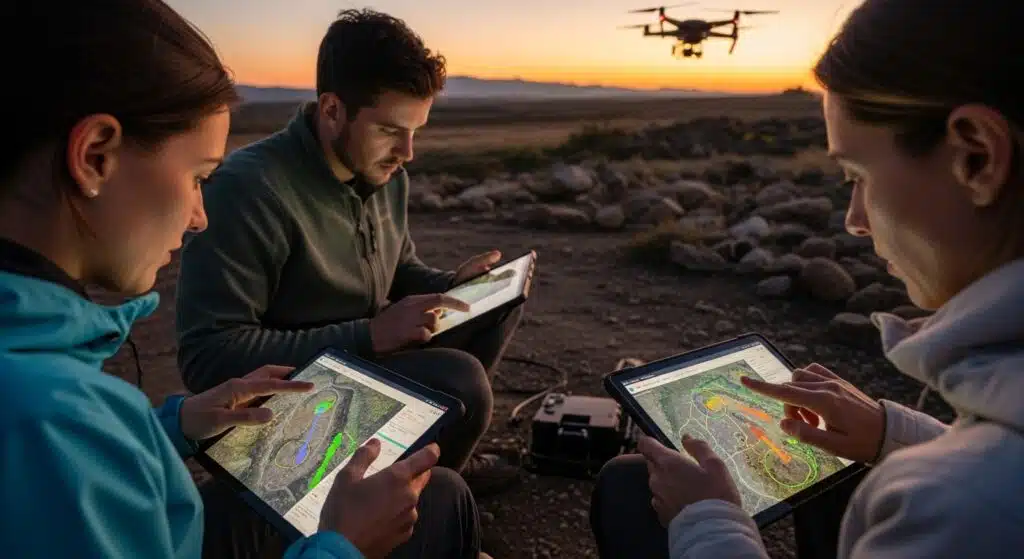
LiDAR (Light Detection and Ranging), a laser-scanning technology installed on drones that can survey the ground surface beneath vegetation and uncover subterranean buildings, was the major innovation. The contours of a massive town that had previously been obscured by erosion and overgrowth became clearly visible when archaeologists used LiDAR across the grassy slopes of the Turkestan Range.
This digital blueprint, coupled with ground-based excavations that began in earnest in 2022, showed miles of defensive walls, internal corridors, plazas, and terraced buildings. The scale and organization of the site surprised researchers: this was not a temporary camp or nomadic encampment, but a planned urban center.
Iron at the Heart of a Mountain Metropolis
What makes Marsmanda Uzbekistan especially remarkable is the abundance of evidence for iron production and metalworking — a defining trait that matches the medieval descriptions. Across the site, archaeologists have uncovered large furnaces and kilns, piles of iron slag (the waste by-product of smelting), stone rich in iron ore, and metal objects such as tools, arrowheads, knives, fittings, and other iron goods.
These finds suggest that ironworking was not incidental but central to the city’s economy, with smiths producing both weapons and everyday tools that likely circulated through Silk Road networks across Central Asia. The production of iron required not only ore but also steady supplies of charcoal made from wood evidence that the surrounding forests were heavily used to fuel the industry at peak times.
Unlike many medieval settlements dependent primarily on agriculture or caravan trade alone, Marsmanda’s economy seems to have been industrial and strategic, supplying essential materials to steppe armies, farming communities, and caravan exporters alike.
A Hybrid Community in a Harsh Setting
There is much more to Tugunbulak excavations than just workshops. Indicators of social hierarchy and common cultural practices include the discovery of evidence of living quarters, plazas, and even elite burial contexts, such as a mounted warrior buried with his horse and grave gifts.
Coins, ceramics, personal items, and architectural designs all suggest a mixed civilization in which Sogdian traders, farmers, craftspeople, and Turkic pastoralists coexisted. Marsmanda is a social crossroads in the highlands as well as an industrial center because of this blending of cultures.
Notwithstanding their high altitude, the existence of tools and commodities commonly exchanged in lowland towns like as Samarkand indicates that the residents of this mountain city were included into wider trading networks.
A Rewriting of Silk Road History
Scholars have often envisioned the Silk Road as a network of caravanserais, lowland oasis settlements, and desert pathways, with mountains serving as only worn terrain to traverse. This idea is disproved by the discovery of Marsmanda, which demonstrates how mountain tribes may arrange complex industry and urbanism while engaging with settled and nomadic worlds on their own terms.
Because of its great altitude (around 2,000 meters above sea level), Marsmanda was originally thought to be too isolated for substantial urban life. However, the site’s size and complexity are comparable to those of lowland cities, indicating that traders and merchants frequently traveled through these uplands to get to fairs and marketplaces.
This discovery supports a growing view among historians that the Silk Road was not a single route but a network of integrated landscapes, from deserts to high hills, each contributing distinct goods and cultural exchange.
Why It Declined
Despite centuries of prosperity, the city’s prominence waned by the early eleventh century. Researchers propose several overlapping causes:
- Environmental stress: heavy use of forests for charcoal production could have led to deforestation, fuel scarcity, and difficult living conditions.
- Climate fluctuations: harsher mountain winters and shifting ecology may have shortened growing seasons and made life less tenable.
- Economic shifts: emerging iron centers elsewhere and changes in trade routes likely diverted caravan traffic.
Whatever the exact cause, abandonment around 1050 CE left Marsmanda buried by time and nature — until modern archaeology brought it back into the story of the Silk Road.
The Rediscovery That Rewrites the History of Central Asia
Marsmanda Uzbekistan’s narrative serves as a reminder that history can be unexpected, particularly in places with untamed terrain that have long eluded research. We now know that medieval civilization and industrialism extended well into Central Asia’s highlands not simply the deserts and valleys typically connected to Silk Road trade thanks to LiDAR technology, international cooperation, and careful excavation.
Marsmanda promises to provide even more insight into how ancient communities survived, traded, and adapted across the various terrains of early global interaction as researchers plan additional digs and investigations.
Discover Another Ancient Revelation
If Marsmanda Uzbekistan rewrites Silk Road history, you’ll also be fascinated by how genetic science is rewriting Roman-era Britain through the Beachy Head Woman DNA discovery.
Read next: /https://antiqueechoes.com/beachy-head-woman-dna-rewrite-britains-roman-era-history/