

Ancient Supercomputers? The Mysterious Devices That Shouldn’t Exist
Table of Contents
- Introduction: Ancient Tech Beyond Imagination
- The Antikythera Mechanism – The First Analog Computer
- The Baghdad Battery – A Shocking Discovery
- Mysterious Gears of Ancient China
- Were These Truly Ancient Supercomputers ?
- Final Thoughts: Rewriting Human History?
Introduction: Ancient Tech Beyond Imagination
What if we told you that some ancient civilizations may have created technology so advanced, it rivals modern-day inventions? It sounds like science fiction, but ancient artifacts discovered around the world have left scientists baffled. These mysterious objects—often dubbed “ancient supercomputers”—challenge everything we thought we knew about early human knowledge.
The Antikythera Mechanism – The First Analog Computer
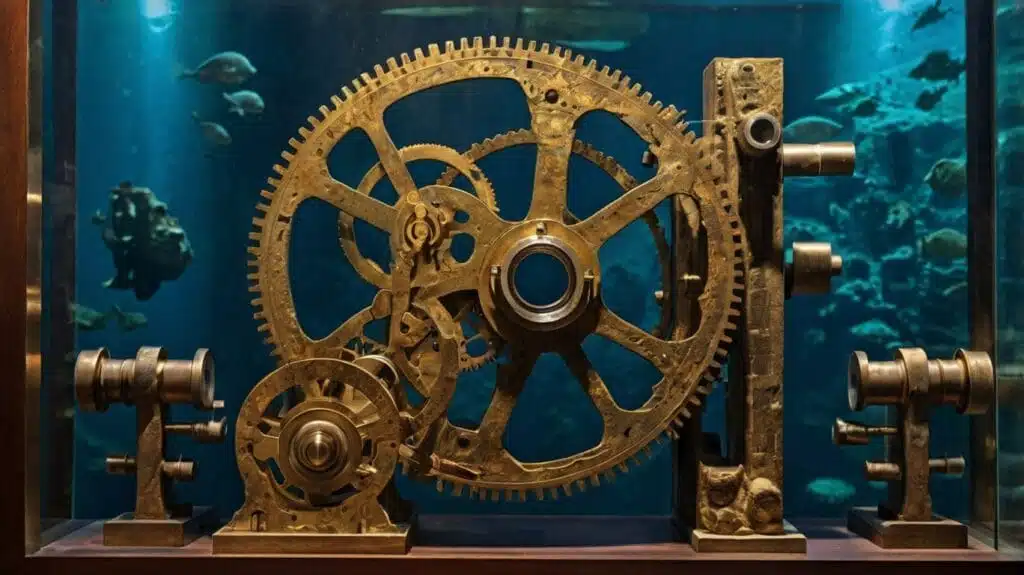
Discovered in a shipwreck near Greece in 1901, the Antikythera Mechanism is considered the world’s oldest analog computer. Built over 2,000 years ago, this intricate device was used to track celestial events, eclipses, and even the Olympic Games. Its complex system of gears and precision engineering were centuries ahead of its time.
The Baghdad Battery – A Shocking Discovery
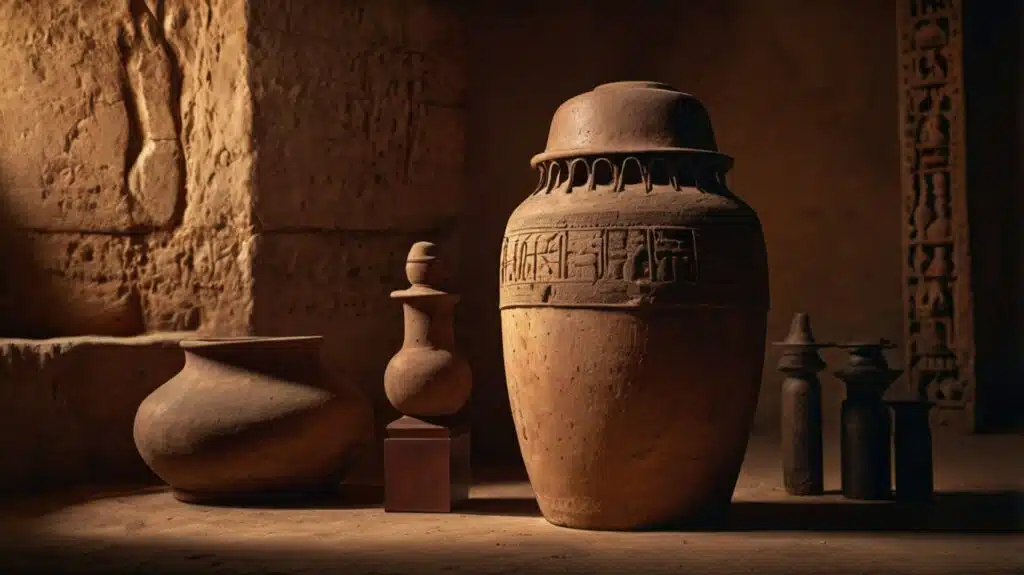
Found in Iraq, this small clay jar with a copper tube and iron rod is believed by some to be an ancient battery, possibly used for electroplating. While debated by scholars, the idea that people 2,000 years ago may have created a primitive electrical device is as mind-blowing as it is controversial.
Mysterious Gears of Ancient China
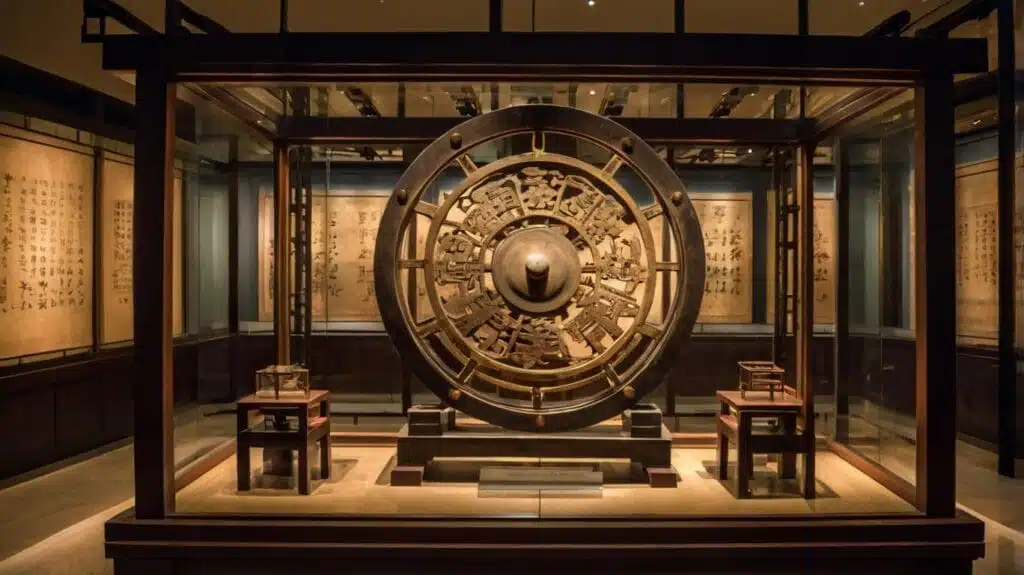
In ancient Chinese texts, there are mentions of complex astronomical devices with rotating gears built during the Han dynasty. Although physical remnants are scarce, the detailed descriptions suggest technological capabilities far ahead of their era. Some historians even believe these mechanisms may have mirrored the complexity of modern mechanical clocks.
Were These Truly “ Ancient Supercomputers ”?
While they weren’t computers in the modern sense, the precision and purpose of these devices are undeniably computer-like. They processed data, made predictions, and represented a deep understanding of science, engineering, and mathematics. The term “ancient supercomputers” captures the awe they inspire—and raises questions about how much ancient civilizations truly knew.

Final Thoughts: Rewriting Human History?
Each discovery forces us to rethink our assumptions. Could ancient people have developed technologies we still don’t fully understand? These mysterious devices hint at forgotten knowledge—perhaps even entire chapters of human innovation lost to time.
If even one of these “ancient supercomputers” was truly functional, it would change everything we believe about the evolution of science and civilization.
In 2024, a team of archaeologists made a discovery that could change everything: they found a lost city beneath the pyramids.
Click Below To Watch Full Story
https://www.youtube.com/@EchoesofAntiquity-egypt/videos
-
Alexandria on the Tigris: Alexander’s Lost City Found
The Port Alexander Built for Trade, Not War In 324 BCE, Alexander the Great came back from India with an empire that…
-
When Did the Roman Empire Rise and Fall? 7 Key Dates
The Empire That Ended Twice The Roman Empire rise and fall is usually taught as one clean arc: a republic becomes an…
-
Greek Fire Formula: Why Byzantium’s Secret Was Lost
The Summer the Sea Caught Fire In the summer of 678, an Arab fleet sat off the sea walls of Constantinople. It…
-
Damascus Steel History: The Lost Metal Science Can’t Be Fully Recreated
The Blade That Made Legends There is a story in Damascus steel history that has been told in various forms for a…
-
Why Was Stonehenge Built? What the Latest Science Reveals
Why Was Stonehenge Built? What the Latest Science Reveals The Question That Never Gets Old People have been asking why Stonehenge was…
-
Roman Concrete Formula: The Ancient Secret That Heals Itself
Roman Concrete Formula: The Ancient Secret That Heals Itself The Pier That Refused to Crumble Off the coast of Italy, in harbors…