The Long-Lost Tomb of King Thutmose II: Why the Thutmose II Tomb Is Egypt’s Greatest Discovery Since 1922
The Thutmose II Tomb discovery in Luxor marks the first royal tomb found since King Tutankhamun in 1922. Learn how archaeologists identified this lost burial site and why it reshapes our understanding of Ancient Egypt.
The Long-Lost Tomb of King Thutmose II: Egypt’s First Royal Find Since 1922
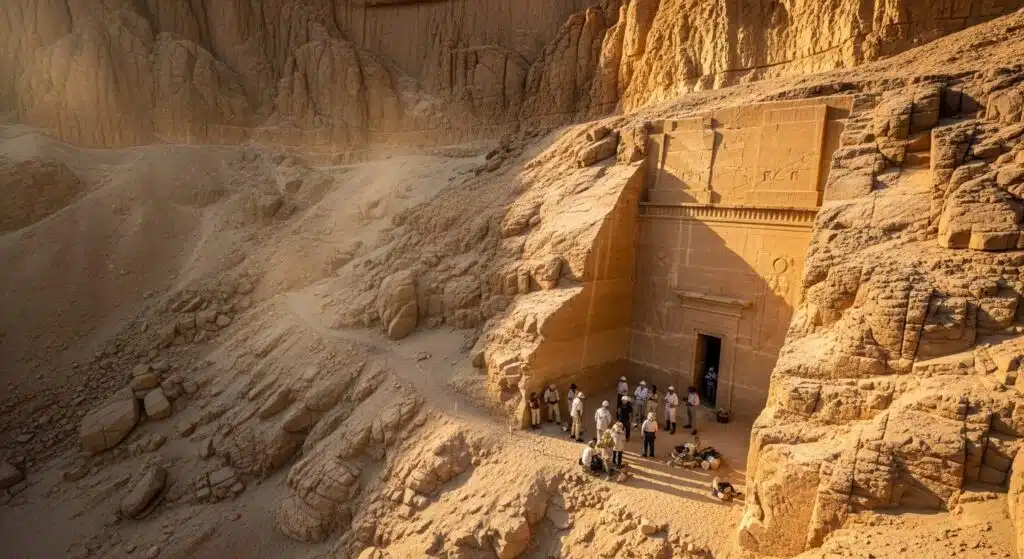
The Thutmose II Tomb has captured the world’s attention as the first major royal burial site uncovered in Egypt since the legendary Tomb of Tutankhamun was found in 1922. This remarkable archaeological breakthrough not only fills a centuries-old mystery about the final resting place of Pharaoh Thutmose II but also offers fresh insights into the funerary practices and political life of Egypt’s powerful 18th Dynasty.
A Pharaoh Once Lost to History
Pharaoh Thutmose II ruled Egypt during the mid-15th century BCE, ascending the throne around 1493 BCE and ruling until about 1479 BCE. He is a somewhat enigmatic figure in Egyptian history — overshadowed by his more famous wife and successor, Queen Hatshepsut. While his mummy was found in the 19th century in the royal cache of Deir el-Bahari, the location of his original tomb remained hidden for over a century.
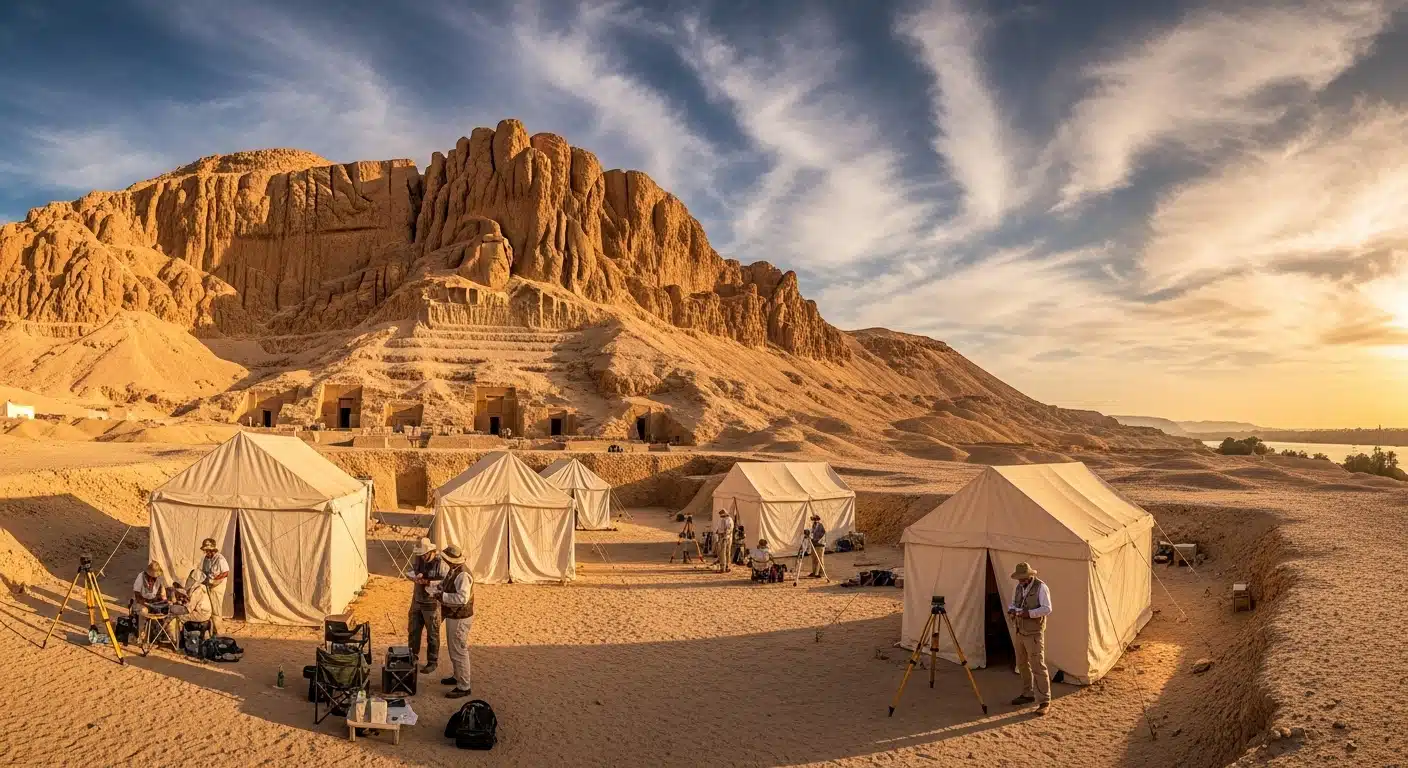
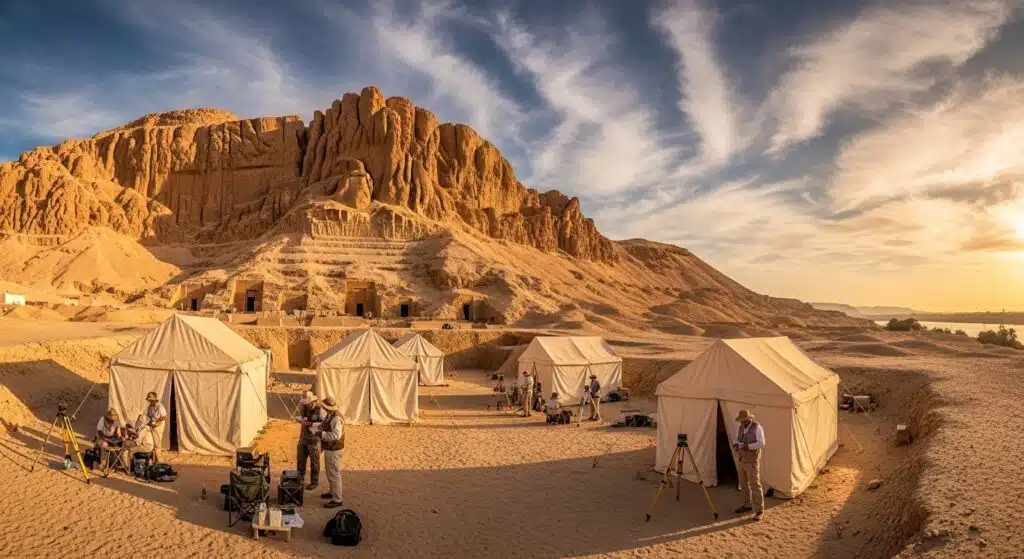
The Thutmose II Tomb was finally identified in 2025, following intensive excavation work that began with the discovery of its entrance in 2022. Archaeologists from the Egyptian Ministry of Tourism and Antiquities and the University of Cambridge’s McDonald Institute for Archaeological Research worked together to uncover what is now designated as Tomb Wadi C-4, situated west of Luxor in the Theban Necropolis.
How the Tomb Was Found
The discovery of the Thutmose II Tomb began with a narrow corridor unearthed during routine surveying of the cliffs west of the Valley of the Kings. Initially, researchers believed they had stumbled on the burial of a royal consort or noblewoman because of its proximity to known tombs of Thutmose III’s wives and Queen Hatshepsut’s intended burial site. However, as the team cleared debris — much of it caused by ancient flash floods — they started to find compelling clues that pointed to a royal burial.
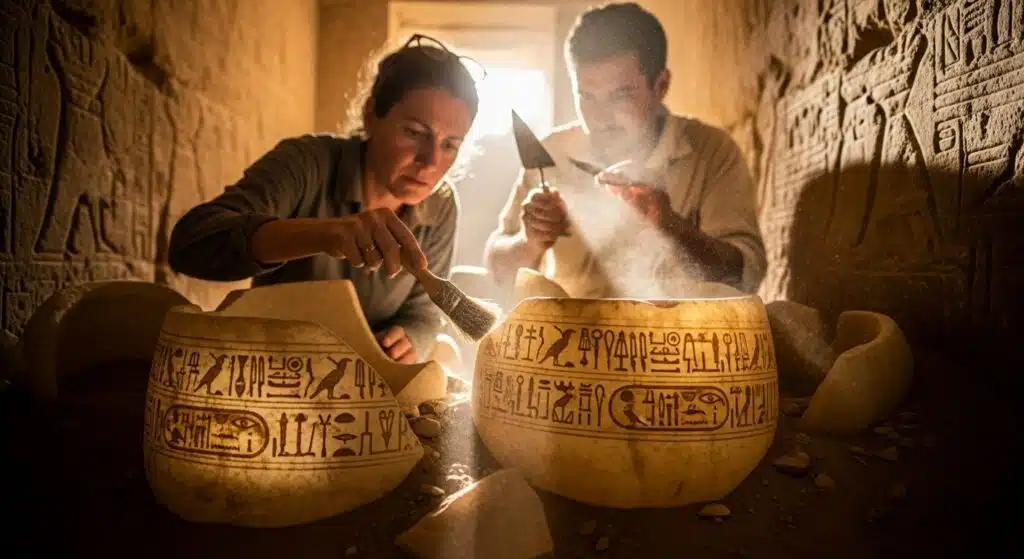
The breakthrough came with the discovery of fragments of alabaster jars and pottery inscribed with the names of Thutmose II and Hatshepsut. These inscriptions, combined with remnants of traditional royal decoration — such as a ceiling painted blue with yellow stars and wall carvings featuring passages from the Book of the Amduat — confirmed the tomb’s ownership. The Amduat, an ancient funerary text intended to guide the pharaoh through the afterlife, is typically reserved for royalty and was a clear indicator that this was indeed a king’s tomb.
What Makes This Discovery So Special?
The Thutmose II Tomb is celebrated for several reasons:
1. First Royal Tomb Identified Since 1922
Although other royal graves have been found since Tutankhamun’s — for example in the Delta region and smaller necropolises — none from the prestigious Valley of the Kings or its immediate environs have been definitively linked to a king until now. Egypt’s Ministry of Tourism and Antiquities first touted this as the first such discovery in over a century, echoing Howard Carter’s monumental find of Tutankhamun’s tomb.
2. Insight into Funerary Rituals
While the tomb itself was damaged by flooding short after its sealing — leading to an ancient relocation of most of its contents, including Thutmose II’s mummy — the decorative fragments and architectural design provide rare clues about mid-18th Dynasty burial practices. The Book of the Amduat inscriptions and celestial ceiling reflect beliefs about rebirth and the journey into the afterlife.
3. New Perspectives on the 18th Dynasty
The tomb’s location and design deepen our understanding of how royal necropolises expanded beyond the main Valley of the Kings. The proximity to other royal wives’ tombs and Hatshepsut’s burial site hints at shifting burial strategies under this dynasty. These findings could offer fresh context for the political and familial relationships within Egypt’s royal court.
What Was Found — and What Was Lost
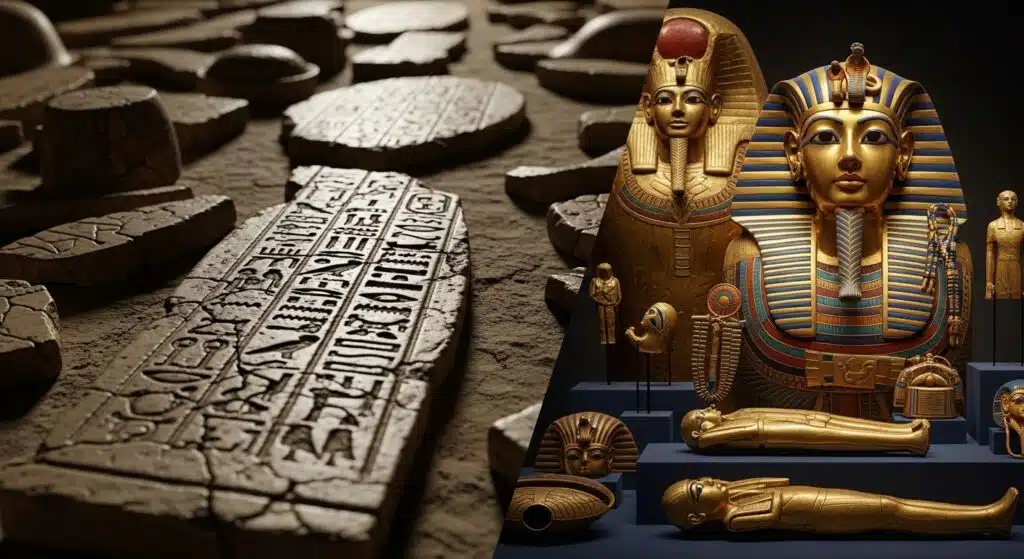
Unlike the richly preserved trove of treasures found with Tutankhamun, the Thutmose II Tomb yielded relatively few intact objects. The tomb was heavily damaged by water, and ancient Egyptians likely moved the king’s burial goods and body to protect them from moisture. As a result, most original funerary items were removed long ago, and the tomb itself was left stripped of its richest contents.
Still, the fragments recovered — such as decorated plaster, traces of funerary texts, and inscriptions — are invaluable for Egyptologists. These remnants help reconstruct the funerary rites of a pharaoh who, until recently, had only been known through secondary burials and scattered archaeological evidence.
The Legacy of a Rediscovery
The Thutmose II Tomb stands as one of the most meaningful archaeological discoveries of the 21st century. It bridges a historical gap left by the mysterious disappearance of one of ancient Egypt’s rulers and enriches our understanding of the social and ritual landscape of the 18th Dynasty. Beyond academic circles, this discovery rekindles global fascination with ancient Egypt — reminding us that even after centuries of excavation, the sands still have secrets to reveal.
As archaeologists continue their work at Wadi C-4 and surrounding sites, we may yet uncover further treasures — perhaps even a second, more intact burial chamber. Until then, the Thutmose II Tomb remains a testament to human curiosity and the ever-evolving story of one of history’s most enduring civilizations.
Click Below To Watch Full Story
https://www.youtube.com/@EchoesofAntiquity-egypt/videos
Or Visit https://antiqueechoes.com/