
7 Lost Ancient Technologies That Science Still Can’t Explain
Throughout history of Lost ancient technologies, ancient civilizations have amazed us with their ingenuity and technical prowess. From massive architectural wonders to intricate devices, these achievements often leave modern science puzzled. Here are 7 Lost ancient technologies that continue to baffle researchers to this day.
Table of Contents:
- The Great Pyramid’s Construction Techniques
- Roman Concrete’s Incredible Longevity
- Damascus Steel’s Unmatched Sharpness
- The Antikythera Mechanism—An Ancient Computer
- The Mysterious Iron Pillar of Delhi
- Greek Fire: The Ancient Flame Weapon
- The Nazca Lines: A Puzzle in the Desert
1. The Great Pyramid’s Construction Techniques
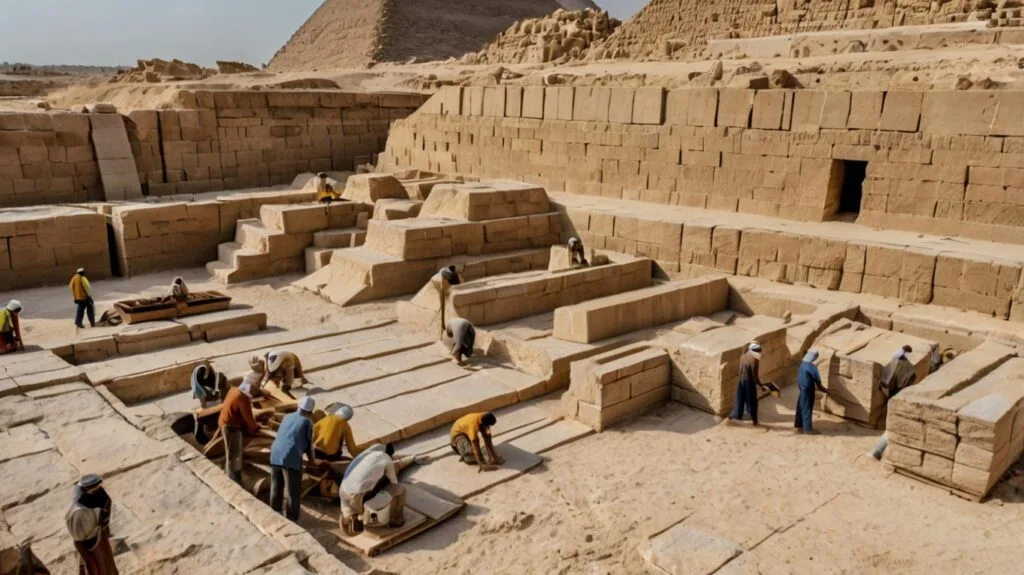
The construction of the Great Pyramid of Giza, completed around 2560 BCE, remains one of the greatest mysteries in engineering. Despite numerous theories, we still don’t fully understand how the ancient Egyptians moved and precisely placed millions of limestone blocks, some weighing up to 80 tons.
Key Mysteries:
- How were such heavy stones transported without advanced machinery?
- What tools allowed such precise alignments and measurements?
Fun Fact:
The pyramid’s alignment to the cardinal directions is more precise than many modern buildings.
2. Roman Concrete’s Incredible Longevity
Roman concrete, or opus caementicium, has lasted for over 2,000 years, outliving many modern structures. Scientists recently discovered that the secret lies in its unique composition, which includes volcanic ash that reacts with seawater to strengthen over time.
Key Mysteries:
- How did the Romans develop such a durable and self-healing material?
- Can modern construction replicate it?
Fun Fact:
The Pantheon’s dome in Rome, made of Roman concrete, is still the largest unreinforced concrete dome in the world.

3. Damascus Steel’s Unmatched Sharpness
The legendary Damascus steel swords of the Middle Ages were renowned for their strength, flexibility, and razor-sharp edges. Made using techniques lost to time, these swords often displayed distinctive wavy patterns on their blades.
Key Mysteries:
- How were ancient blacksmiths able to create steel with such unique molecular structures?
- What was the exact composition of the alloy?
Fun Fact:
Nanotechnology-like carbon structures have been discovered in surviving samples of Damascus steel.

4. The Antikythera Mechanism—An Ancient Computer
Discovered in a shipwreck off the Greek island of Antikythera, this intricate device dates back to 150-100 BCE. Often called the world’s first analog computer, it was used to predict astronomical positions and eclipses.
Key Mysteries:
- How did the ancient Greeks acquire the knowledge to build such a complex mechanism?
- Were there other devices like it that have been lost to history?
Fun Fact:
The device has over 30 bronze gears, showcasing a level of craftsmanship unmatched for its time.

5. The Mysterious Iron Pillar of Delhi
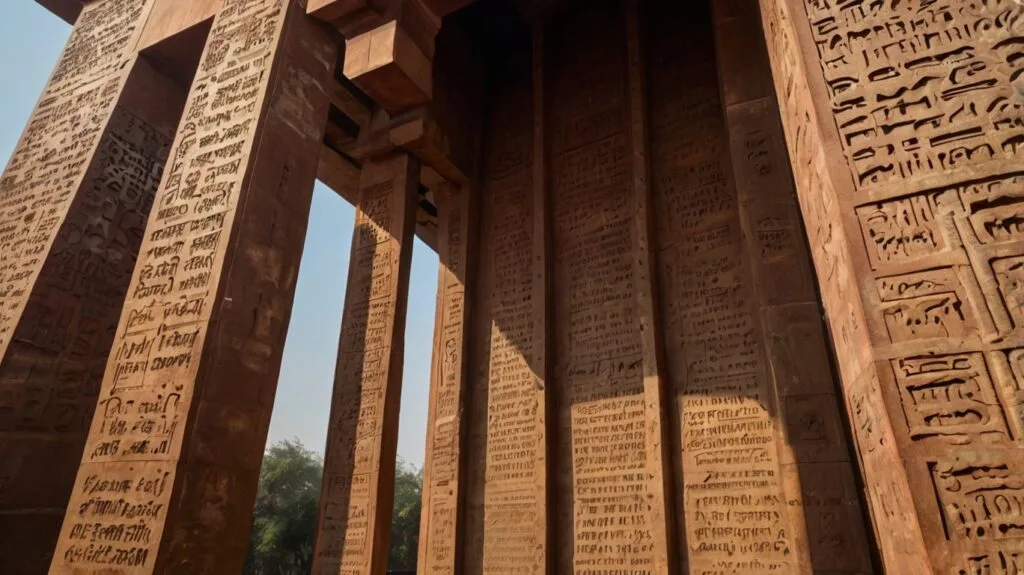
Standing over 7 meters tall, the Iron Pillar of Delhi has resisted corrosion for over 1,600 years. Its composition and craftsmanship are so advanced that modern metallurgists still study it.
Key Mysteries:
- How did ancient Indian blacksmiths create such a corrosion-resistant alloy?
- What techniques were used to forge this monolithic structure?
Fun Fact:
The pillar’s inscriptions suggest it was created during the Gupta Empire, around 375-415 CE.
6. Greek Fire: The Ancient Flame Weapon
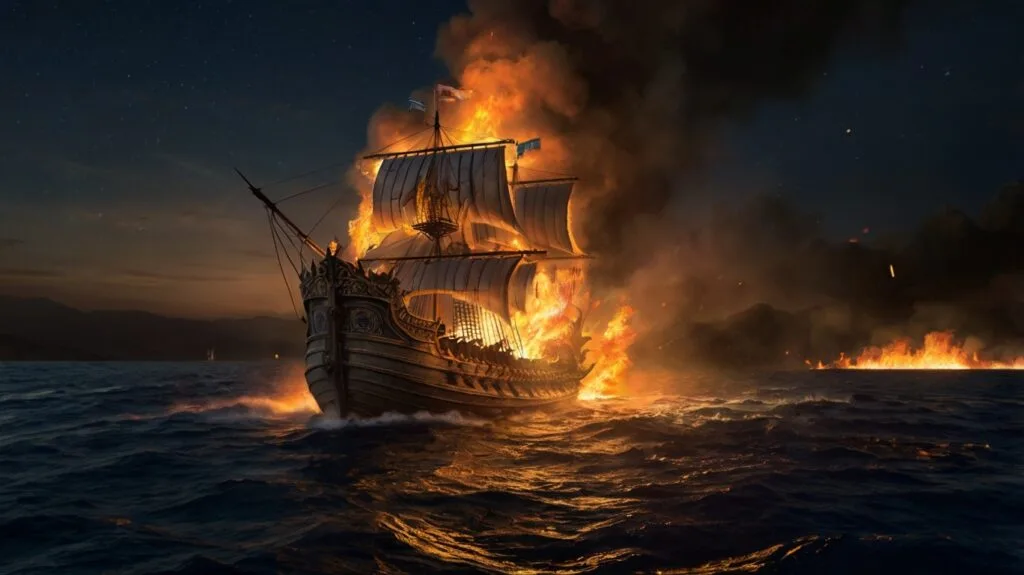
Greek Fire was a weapon used by the Byzantine Empire to set enemy ships ablaze. This incendiary substance could even burn on water, making it a formidable tool in naval warfare.
Key Mysteries:
- What were the exact ingredients of Greek Fire?
- How was it delivered with such precision?
Fun Fact:
Greek Fire was reportedly so effective that its formula was kept a state secret and has since been lost.
7. The Nazca Lines: A Puzzle in the Desert
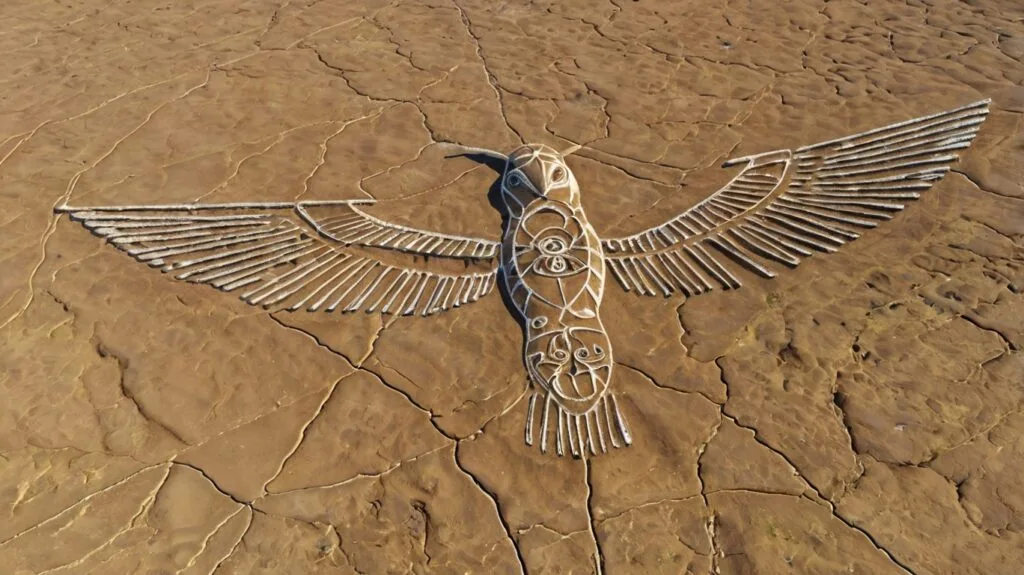
Etched into the desert plains of southern Peru, the Nazca Lines are massive geoglyphs depicting animals, plants, and geometric shapes. Created between 500 BCE and 500 CE, these lines are so large they can only be fully appreciated from the air.
Key Mysteries:
- How were the Nazca people able to design and execute such precise and large-scale drawings?
- What was their purpose? Rituals, astronomy, or something else?
Fun Fact:
Some theories suggest the lines served as pathways for ceremonial processions.
Conclusion of Lost ancient technologies
The ingenuity of ancient civilizations continues to inspire and mystify us. These Lost ancient technologies are not just relics of the past but also reminders of humanity’s boundless creativity and problem-solving abilities. Perhaps, as science advances, we may one day unlock the secrets behind these marvels.
Stay Connected
Sign up for our newsletter to stay updated with our latest articles, videos, and behind-the-scenes content. Together, we’ll uncover the secrets of the past and ensure the echoes of antiquity resonate far into the future. Read more about Lost ancient technologies

Join the conversation on our Facebook page and subscribe to our YouTube channel for exclusive videos that bring these ancient stories to life.
Click below to watch more about Lost ancient technologies
-
Indus Valley Civilization Script: 7 Reasons It Stays Unbroken
A Message Written to Nobody in Particular Somewhere in the collection of the National Museum in New Delhi, there is a small…
-
Hanging Gardens of Babylon: 7 Truths That Shocked
The Wonder That Left No Footprint Six of the Seven Wonders of the Ancient World have been found, mapped, measured, and, in…
-
8 Minoan Civilization Mystery Facts That Rewrote History
Europe’s First Great Civilization Left No Name Behind They built palaces with indoor plumbing when most of Europe was still sleeping in…
-
Cleopatra Lost Tomb: 7 Clues That Could End the Search
A Queen Who Planned Her Own Disappearance She was thirty-nine years old when she died. She had ruled Egypt for twenty-one years,…
-
King Tut Curse: 7 Shocking Truths Science Uncovered
The Flashlight, the Darkness, and What Came After November 26, 1922. Howard Carter pressed a candle through a hole he had just…
-
8 Terracotta Army Mysteries Science Still Can’t Explain
An Emperor Who Refused to Die He was thirteen years old when the work began. An age when most children are learning…