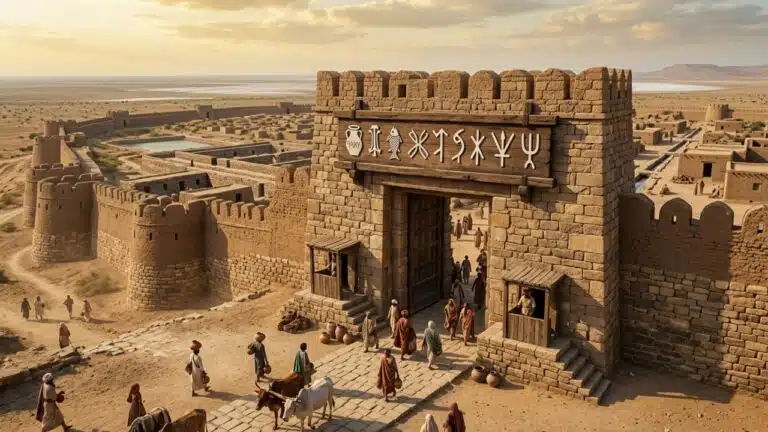

The Ancient Sound Weapons: Did Lost Civilizations Master Sonic Warfare?
Introduction
Ancient Sound Weapons What if ancient civilizations possessed weapons so advanced, they could shatter stone walls—or even minds—using nothing but sound? While it might sound like science fiction, legends and mysterious archaeological findings hint at a hidden truth: ancient sound-based technology might have once existed… and vanished with time. Welcome to the strange world of sonic warfare.
Table of Contents
- Mysterious Legends of Sonic Destruction
- The Walls of Jericho: Shattered by Sound?
- Ancient Temples and Acoustic Design
- The Indian “Agni Vina”: Sonic Power in Mythology
- Tibetan Monks and the Levitation Chant
- Archaeological Clues: Resonance in Ruins
- Could It Be True? Science Weighs In
- Final Thoughts: Ancient Knowledge Lost?
Mysterious Legends of Sonic Destruction
Across ancient texts and oral traditions, strange tales of sound-based destruction appear again and again. From mythological instruments that “shatter cities” to divine chants causing chaos, these stories might not be pure fiction it is Myth of Ancient Sound Weapons.

The Walls of Jericho: Shattered by Sound?
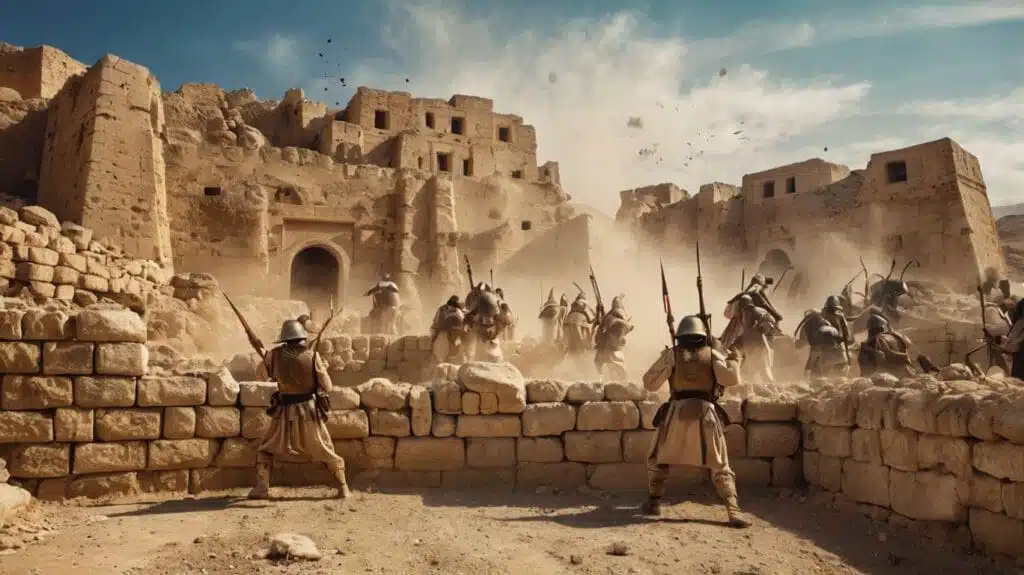
One of the oldest and most famous examples comes from the Bible. The walls of Jericho were said to have collapsed after priests blew trumpets and the army shouted in unison. Coincidence—or a form of sonic resonance?
Ancient Temples and Acoustic Design
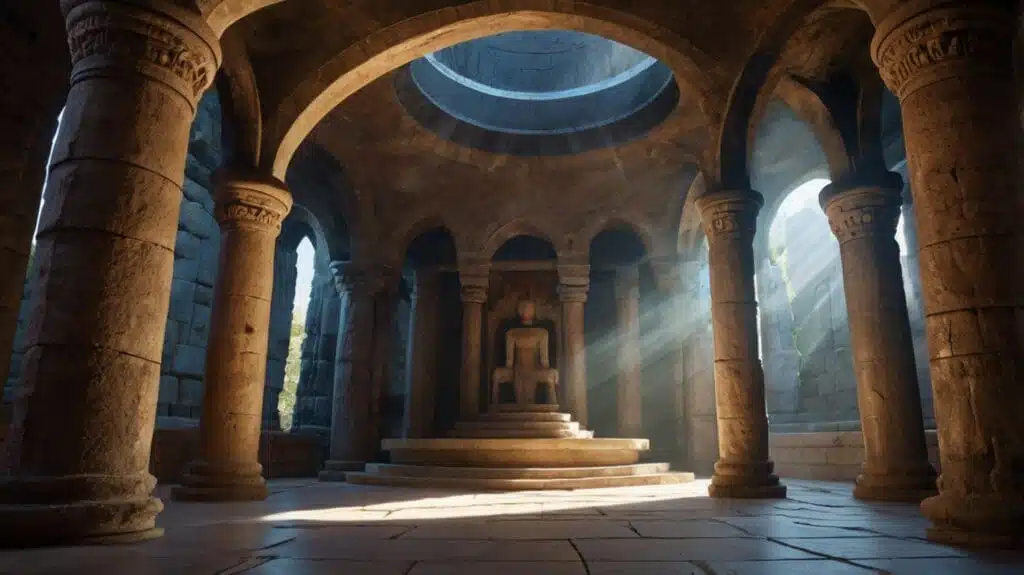
Many ancient structures were designed with perfect acoustics—some even amplify whispers across entire halls. Was it just for ceremony, or part of a deeper, possibly dangerous knowledge?
The Indian “Agni Vina”: Sonic Power in Mythology
In Hindu mythology, a divine instrument called the Agni Vina was said to produce sound so powerful it could burn enemies. While there’s no physical proof, such tales persist in multiple cultures.

Tibetan Monks and the Levitation Chant
In the Himalayas, monks have long used deep harmonic chants. According to some explorers, they once witnessed large stones being levitated by synchronized drumming and chanting—a claim dismissed by mainstream science, but intriguing nonetheless.

Archaeological Clues: Resonance in Ruins
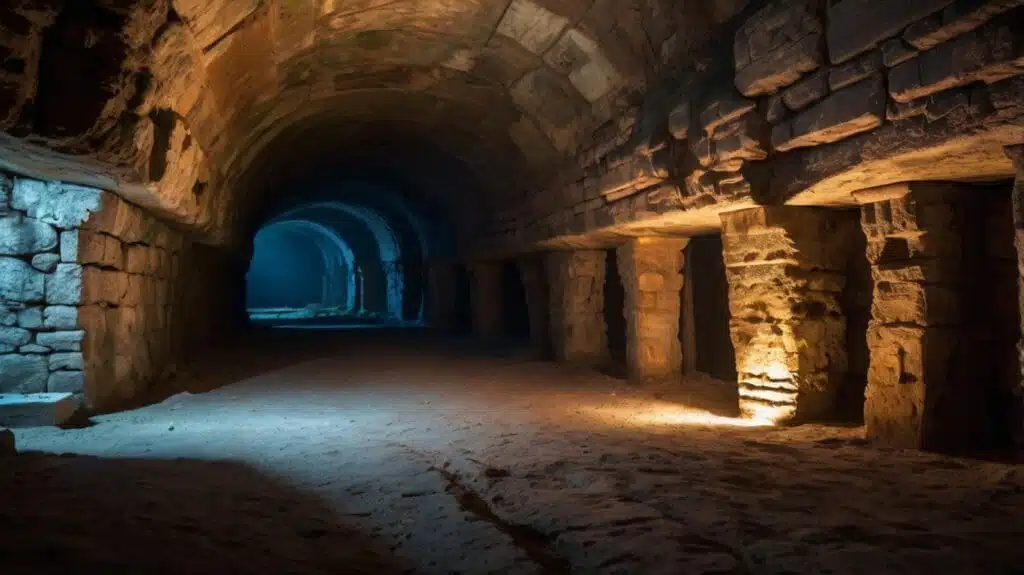
Recent studies of ancient sites like Chavín de Huántar in Peru show intentional acoustic engineering. Underground chambers amplify sound in unsettling ways—possibly for rituals… or something more?
Could It Be True? Science Weighs In
Modern science knows sound can move objects (acoustic levitation) and even destroy kidney stones. So, is it really so far-fetched that ancient people might have harnessed these forces?

Final Thoughts: Ancient Knowledge Lost?
Whether myth or reality, the idea of ancient sound weapons invites us to rethink what we think we know about the past. Could advanced knowledge have been lost—hidden in legend, buried in ruins, and waiting to be rediscovered?
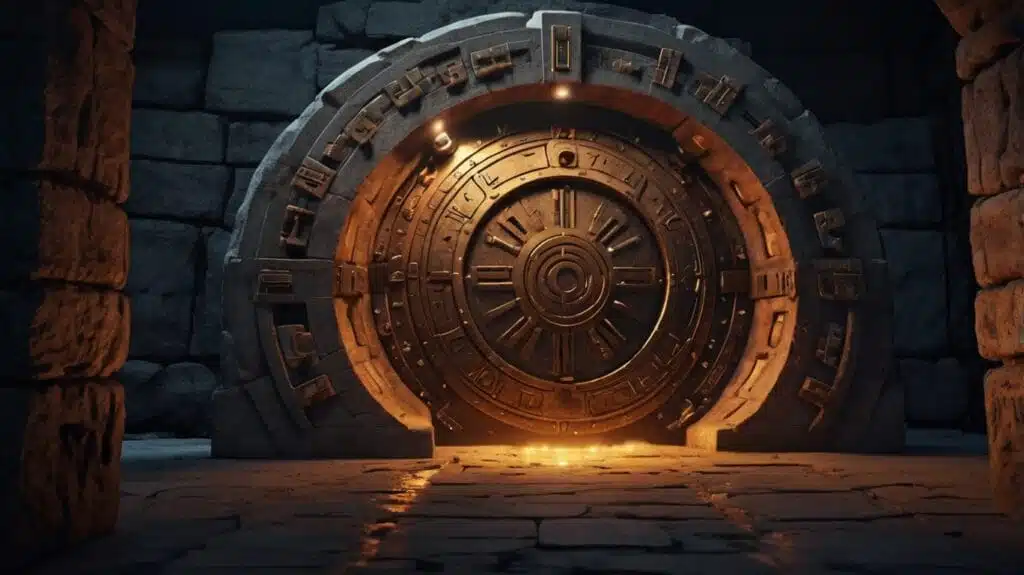
In 2024, a team of archaeologists made a discovery that could change everything: they found a lost city beneath the pyramids.
Click Below To Watch Full Story
https://www.youtube.com/@EchoesofAntiquity-egypt/videos
-
Indus Valley Civilization Script: 7 Reasons It Stays Unbroken
A Message Written to Nobody in Particular Somewhere in the collection of the National Museum in New Delhi, there is a small…
-
Hanging Gardens of Babylon: 7 Truths That Shocked
The Wonder That Left No Footprint Six of the Seven Wonders of the Ancient World have been found, mapped, measured, and, in…
-
8 Minoan Civilization Mystery Facts That Rewrote History
Europe’s First Great Civilization Left No Name Behind They built palaces with indoor plumbing when most of Europe was still sleeping in…
-
Cleopatra Lost Tomb: 7 Clues That Could End the Search
A Queen Who Planned Her Own Disappearance She was thirty-nine years old when she died. She had ruled Egypt for twenty-one years,…
-
King Tut Curse: 7 Shocking Truths Science Uncovered
The Flashlight, the Darkness, and What Came After November 26, 1922. Howard Carter pressed a candle through a hole he had just…
-
8 Terracotta Army Mysteries Science Still Can’t Explain
An Emperor Who Refused to Die He was thirteen years old when the work began. An age when most children are learning…